Product ecosystem × design systems × engineering
Aligning three products—and the teams building them.
At Bottle Rocket, I helped lead design across ShopRunner experiences for FedEx, aligning a consumer app, responsive marketplace, and B2B merchant dashboard through a shared product language and a closer way of working between design and engineering.
Outcome proof
- 3
- consumer and merchant products aligned through Bolt
- 1:1
- Figma–Storybook parity between design and production code
- 3→5
- multidisciplinary team scaled with clearer ownership
The opportunity
The products needed continuity—and the teams needed a shared way to build it.
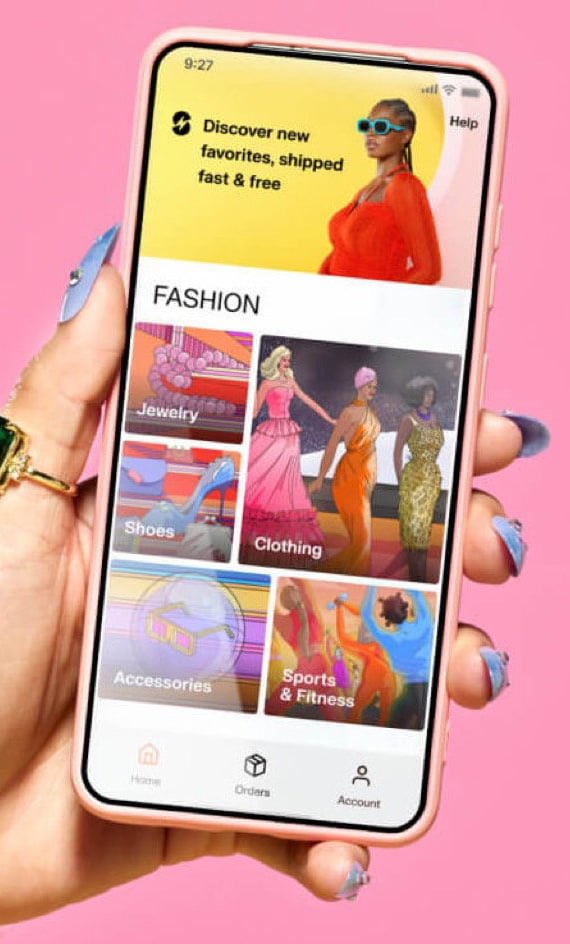
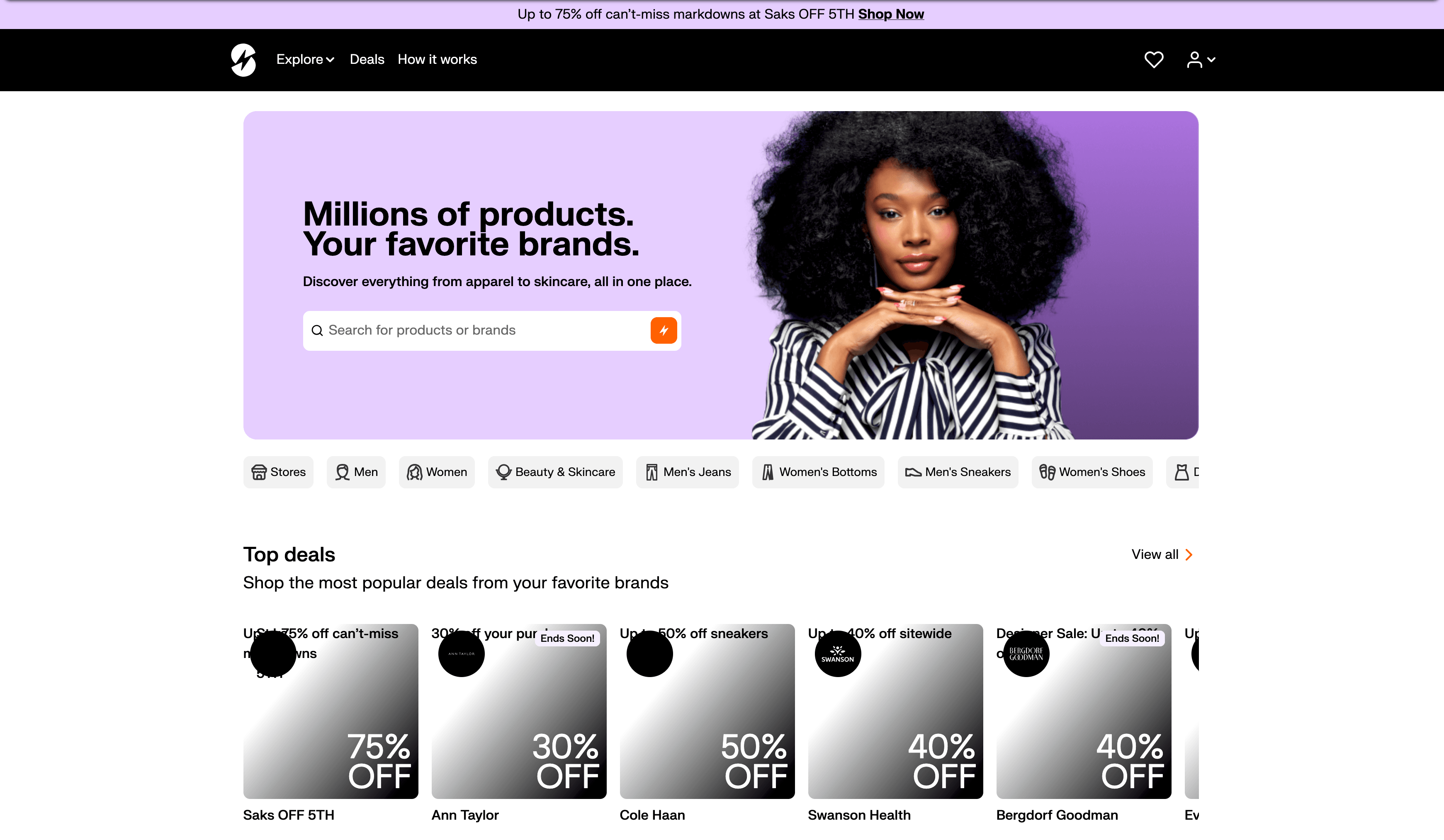
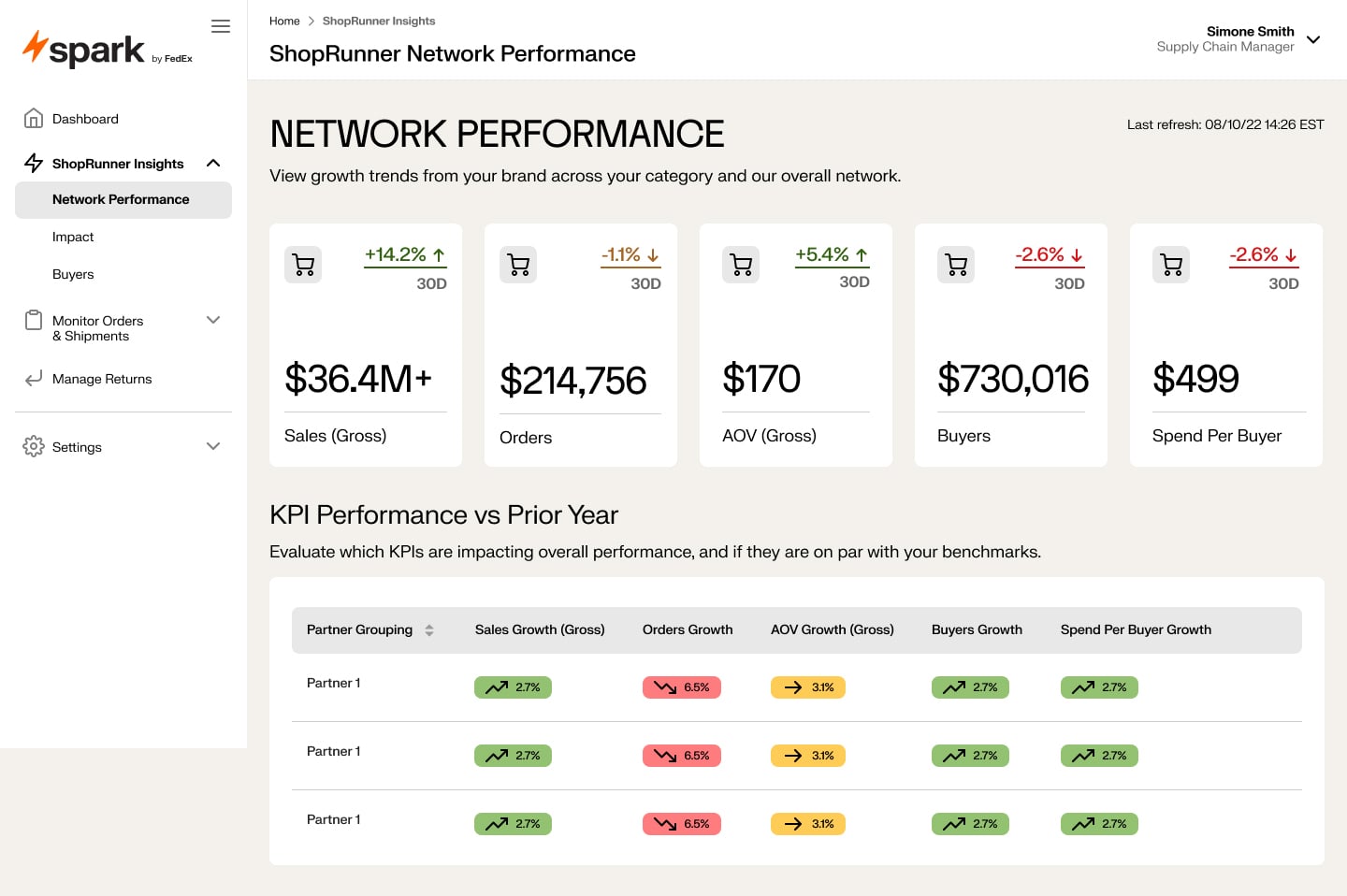
The work stretched across consumer shipping and returns, marketplace experiences, and merchant-facing tools. Each product had different tasks and audiences, but they still needed to feel like parts of the same ecosystem.
That made consistency a product problem as much as a visual one: patterns needed to work across native and responsive environments while remaining practical for engineering teams to implement and maintain.
What I led
I directed the Bolt design system across consumer and merchant products and grew the team from one designer and two developers to two designers, two developers, and a project manager. I aligned design, product, and engineering around shared foundations, reusable components, and governance, using Storybook to maintain 1:1 parity between the Figma system and production code.
The product landscape
Three distinct experiences created three different kinds of design pressure.
The challenge was to support each product on its own terms without allowing the ecosystem to fragment into unrelated interfaces.
The idea
Treat the system as a shared contract between design and engineering.
We reused what should be shared while allowing each experience to respond to its own users, workflows, and platform constraints. The system connected not only the products, but the decisions made in Figma with the components delivered in code.
How might design and engineering share one source of truth across three products without forcing those products to behave identically?
Building Bolt
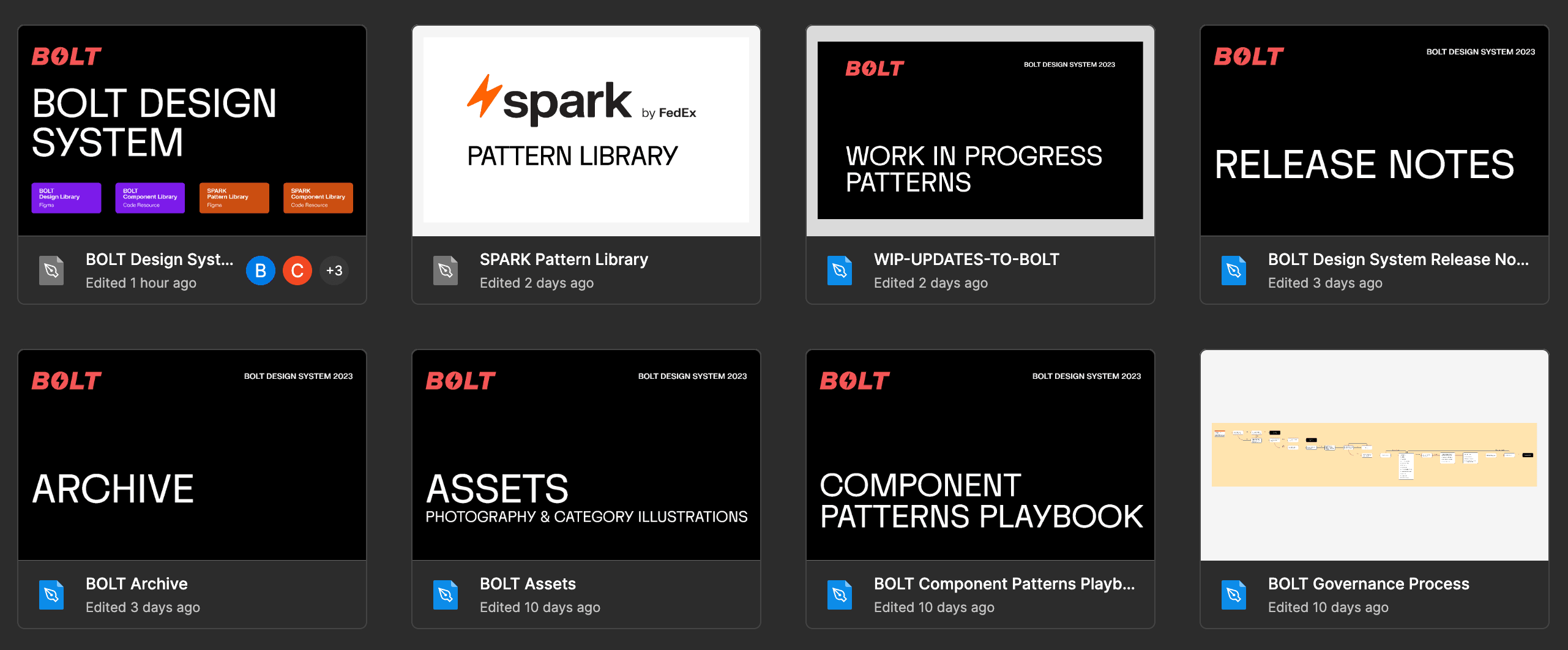
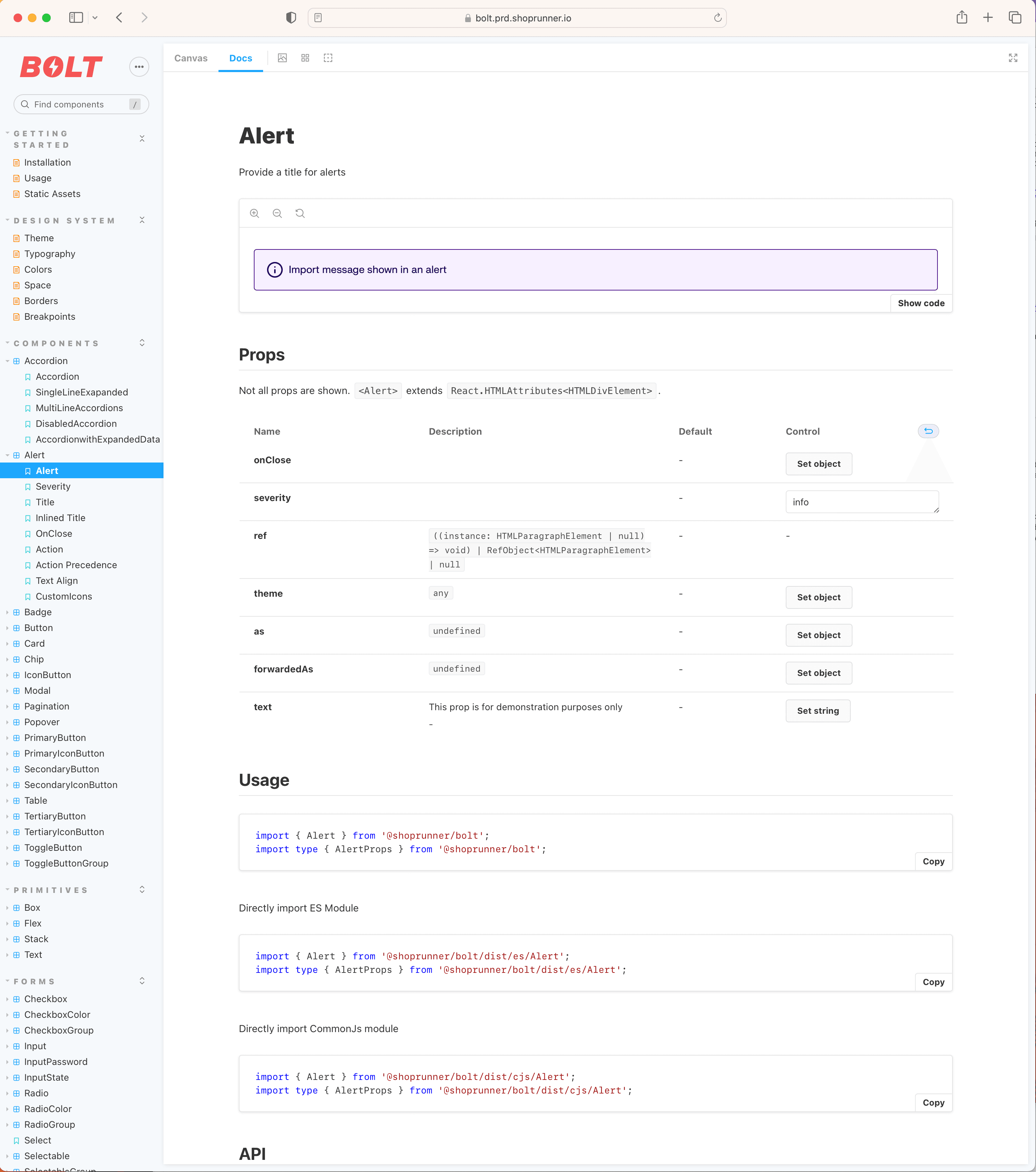
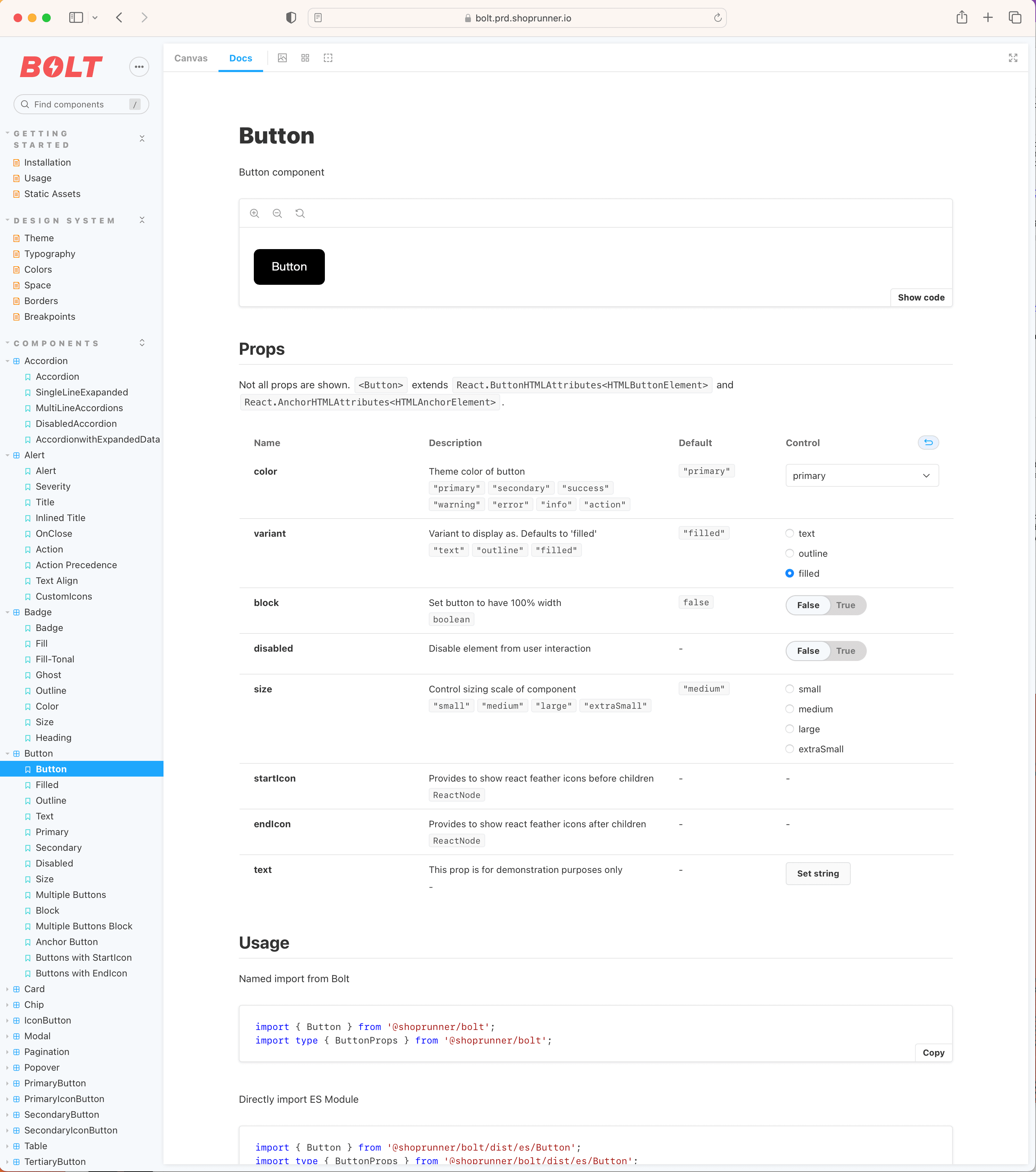
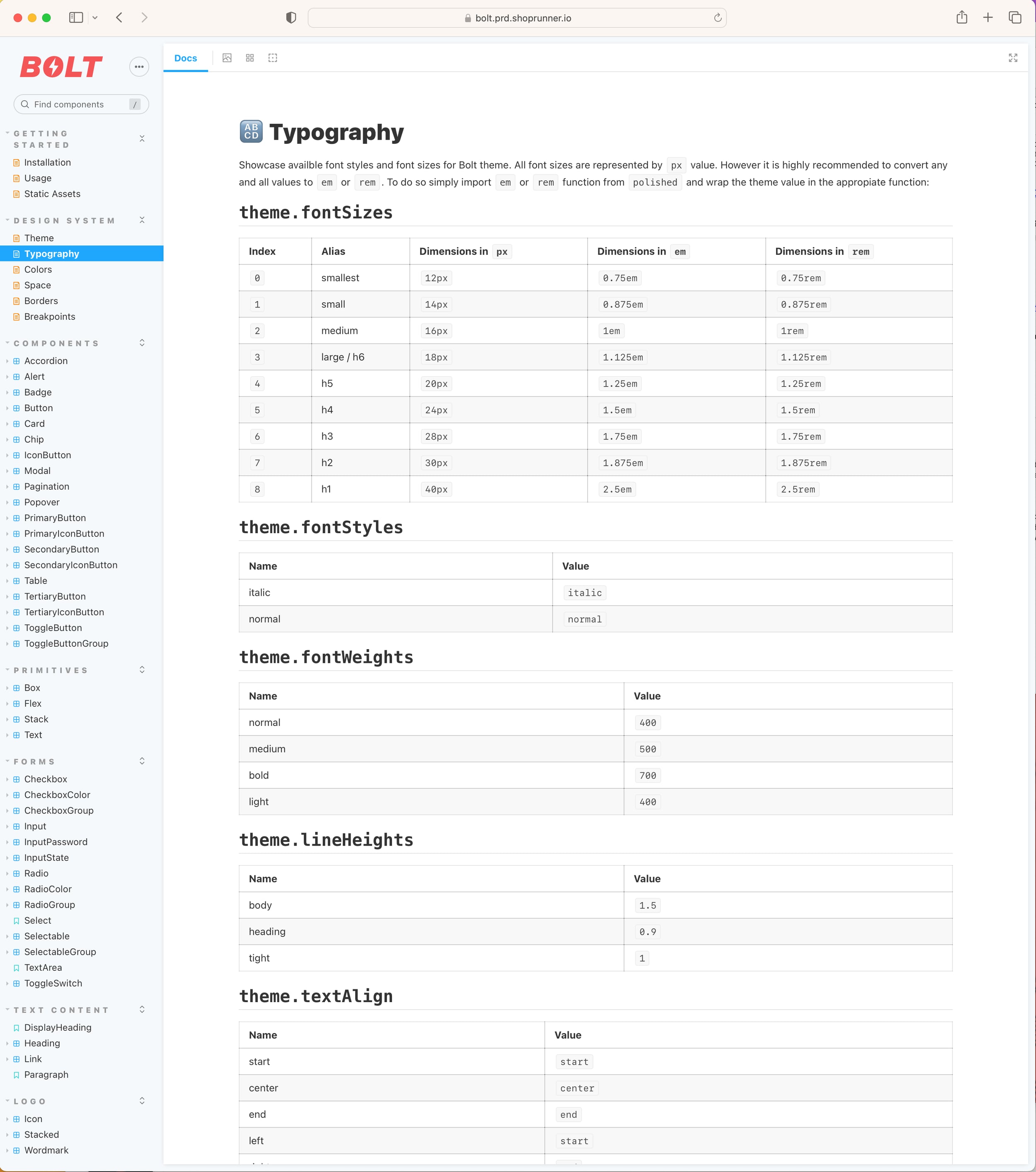
Figma and Storybook stayed close enough to function as one system.
The Bolt design system connected reusable Figma components with Storybook implementation, creating close design-code parity and a more dependable shared reference for designers and engineers across the product ecosystem.
System in action
Shared patterns, adapted to very different workflows.
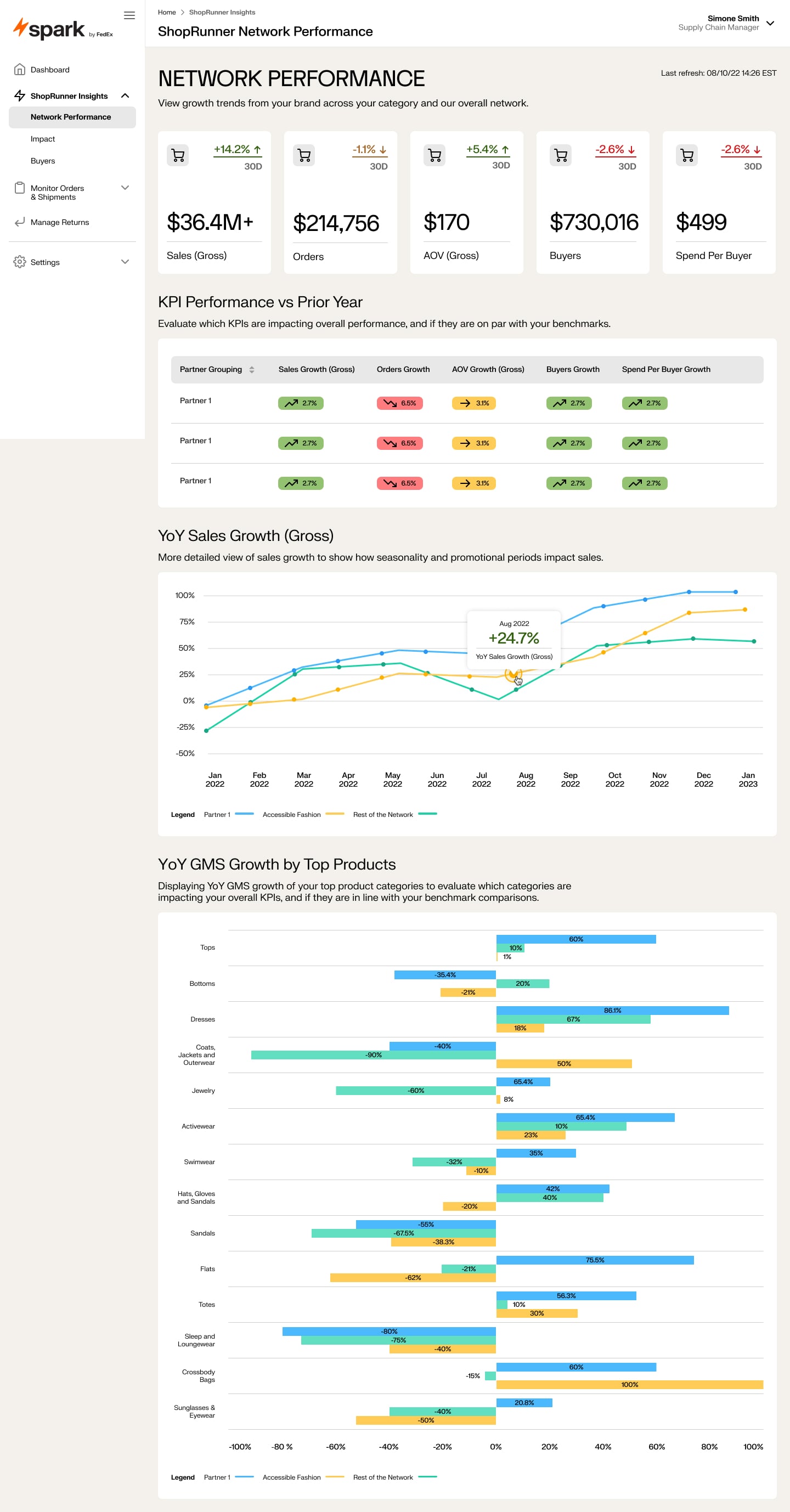
The system created continuity without forcing every product into the same composition.
Consumer shipping flows prioritized clarity and task completion. Marketplace experiences needed responsive commerce behavior. Merchant tools required denser operational interfaces. The system provided enough structure to connect them while leaving room for each product to solve the right problem.
Design + engineering
Governance turned component parity into an operating practice.
Maintaining close parity between Figma and Storybook reduced ambiguity between intended design and implemented components. As the work grew, I expanded the team from one designer and two developers to two designers, two developers, and a project manager—giving the system clear multidisciplinary ownership.
Scale + impact
The operating model connected the customer experience with production code.
Three distinct product experiences gained a coherent design language, while 1:1 Figma–Storybook parity gave designers and engineers a more dependable shared reference. The outcome was less ambiguity between disciplines and clearer ownership as the multidisciplinary team grew.