Brand systems × digital experience × art direction
Turning Oura’s B2B brand into a system that scales.
MERGE was helping Oura translate a premium consumer health brand for employers, clinicians, and enterprise partners. I led across web and sales enablement—building a B2B storytelling system that could scale without losing the clarity and visual richness that made Oura distinctive.
Outcome proof
- 40+
- enterprise deliverables brought into one shared visual system
- 3
- new B2B web experiences for distinct audiences
- 2
- designers enabled by shared decisions and AI-assisted workflows
The opportunity
Oura needed to speak credibly to new B2B audiences without losing the brand people already loved.
My work included updating B2B website content, building three new web experiences, refreshing photography around a new ring generation, and supporting a growing sales-enablement library.
Each audience needed a different reason to believe—from clinical evidence and workforce readiness to metabolic health and athletic performance. The challenge was to make those stories persuasive in an enterprise context while keeping every expression unmistakably Oura.
What I led
I set the design direction across Oura’s B2B web and sales enablement work, managing two designers as we created a flexible system spanning one-pagers, presentations, and long-form content—including a white paper of more than 40 pages. I also introduced AI-assisted workflows to improve production efficiency while maintaining Oura’s premium brand expression across more than 40 deliverables.
Before the system
Polished work, reinvented for every assignment.
The opportunity wasn’t to redesign Oura. It was to make strong B2B storytelling repeatable without making it generic.
The idea
Build a storytelling engine—not a library of templates.
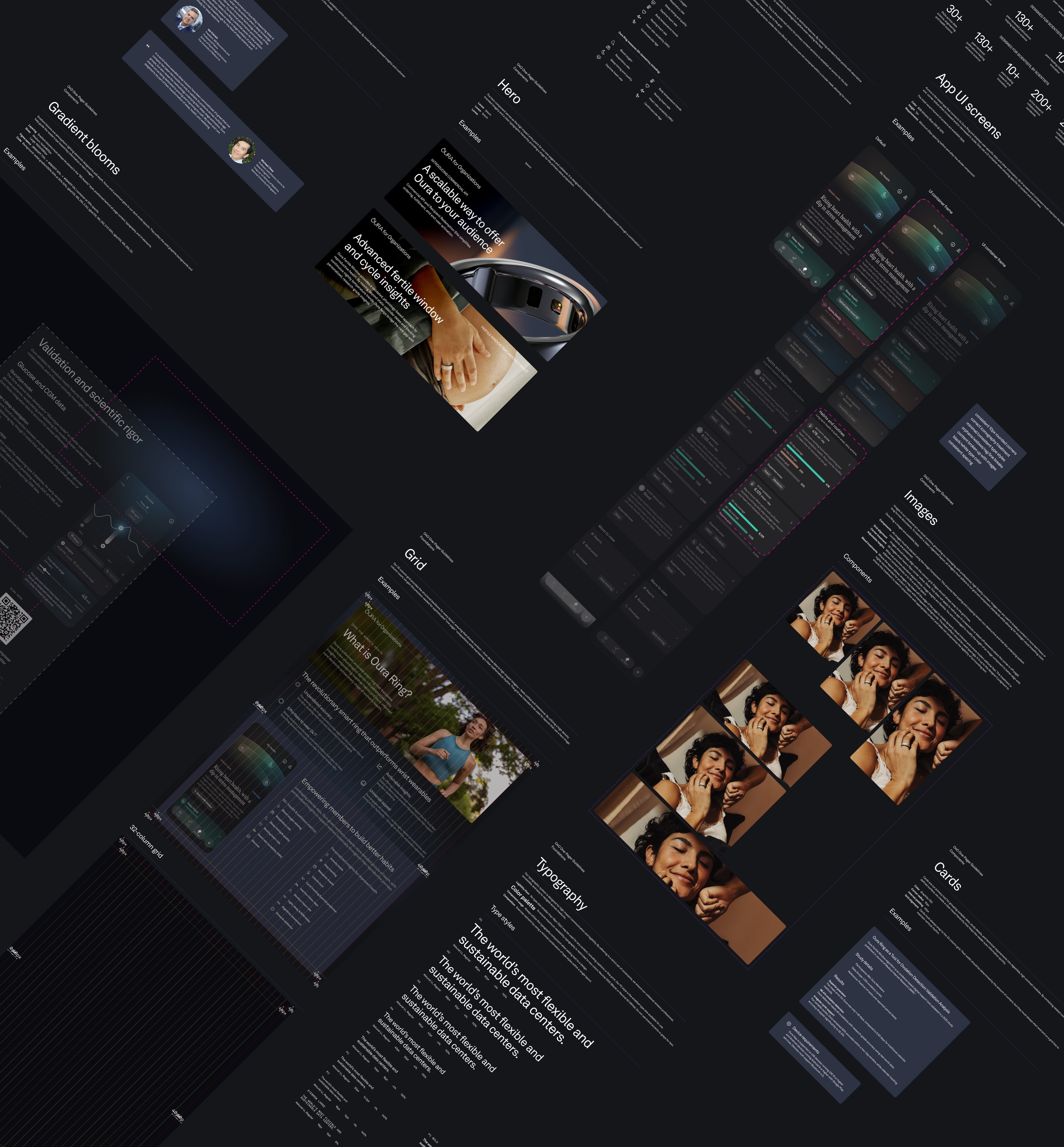
I reframed sales enablement as a narrative system, documenting the recurring visual and production decisions that were otherwise living in designer memory while preserving room for each audience to receive a different story.
How might we make Oura persuasive to employers, clinicians, and enterprise partners without flattening the brand into generic B2B communication?
Building the system
A shared way to shape stories, make decisions, and produce the work.
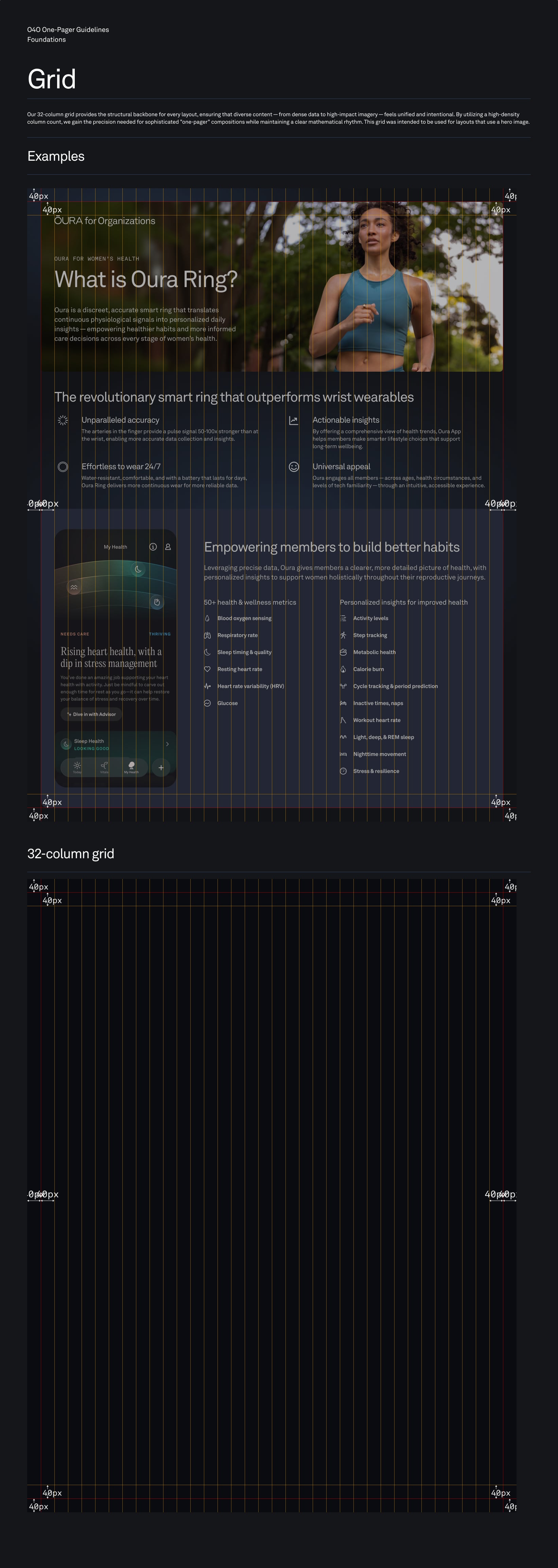
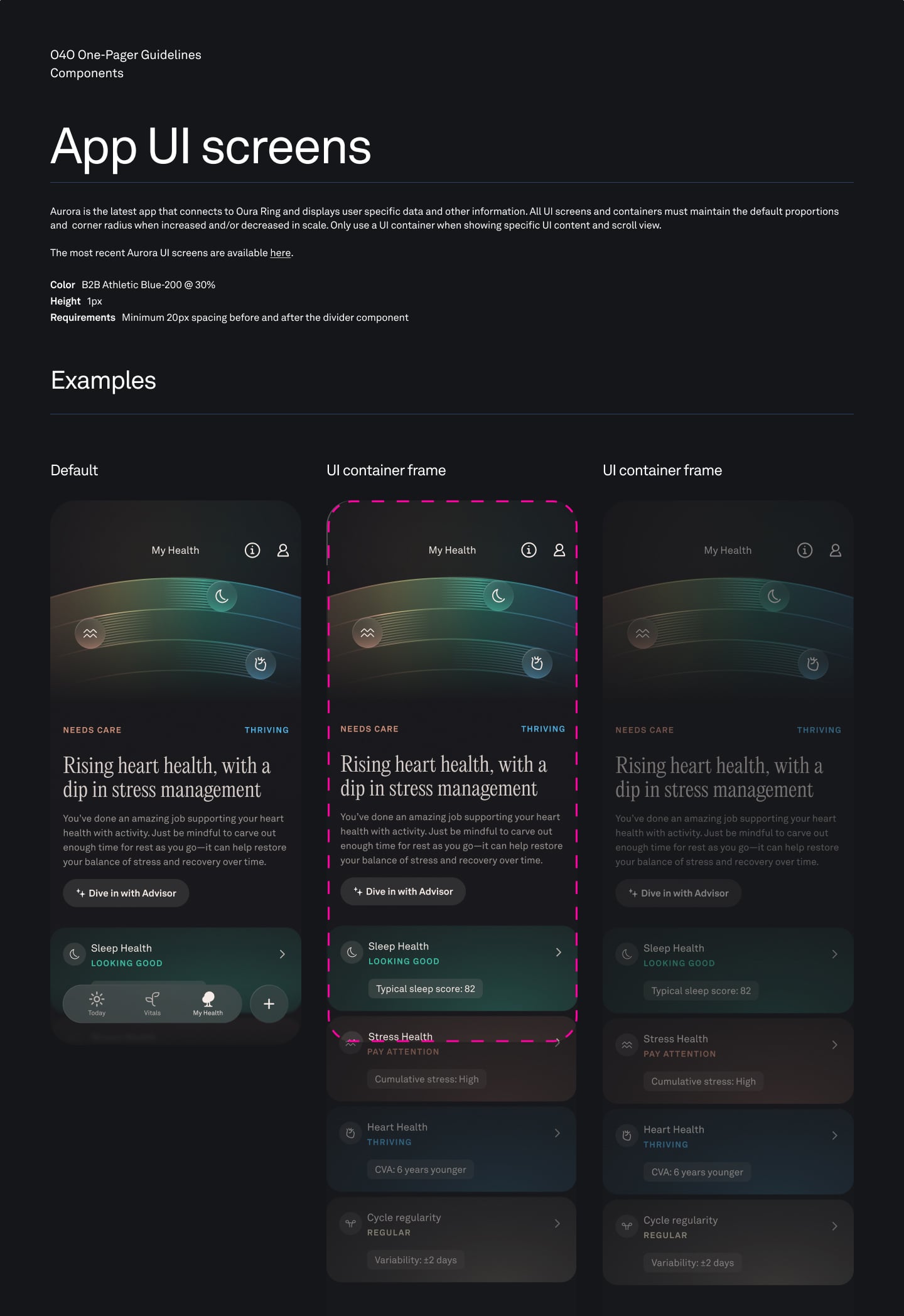
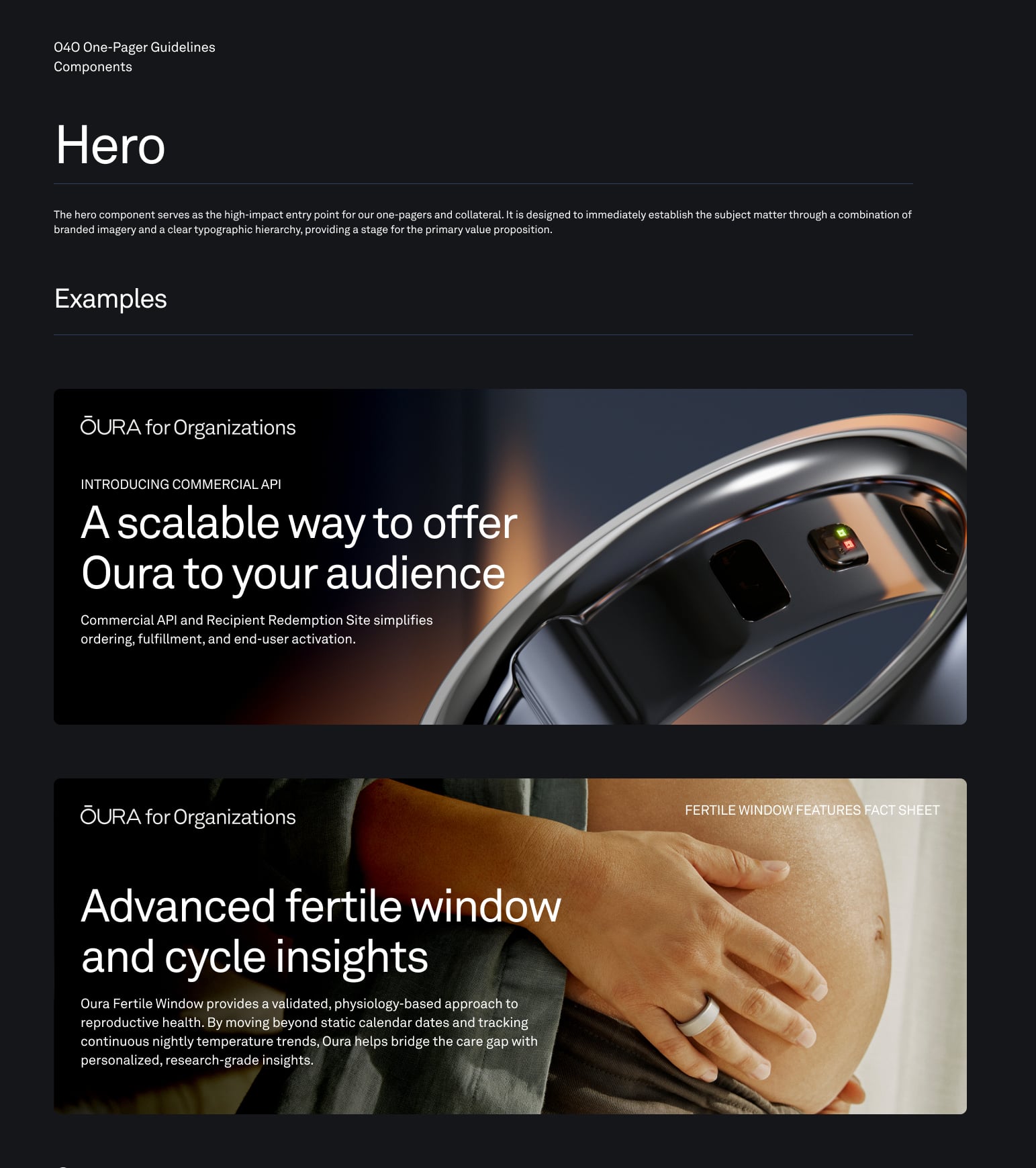
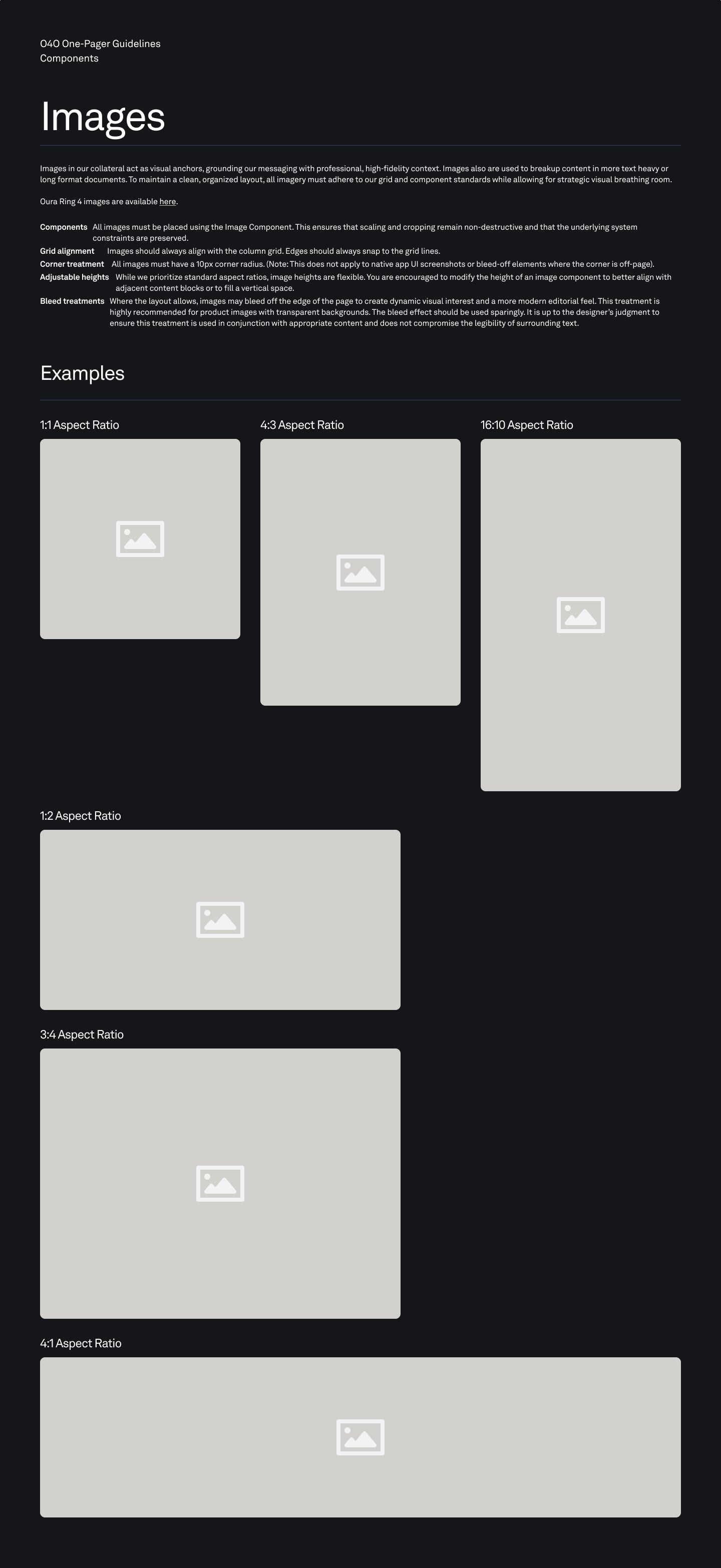
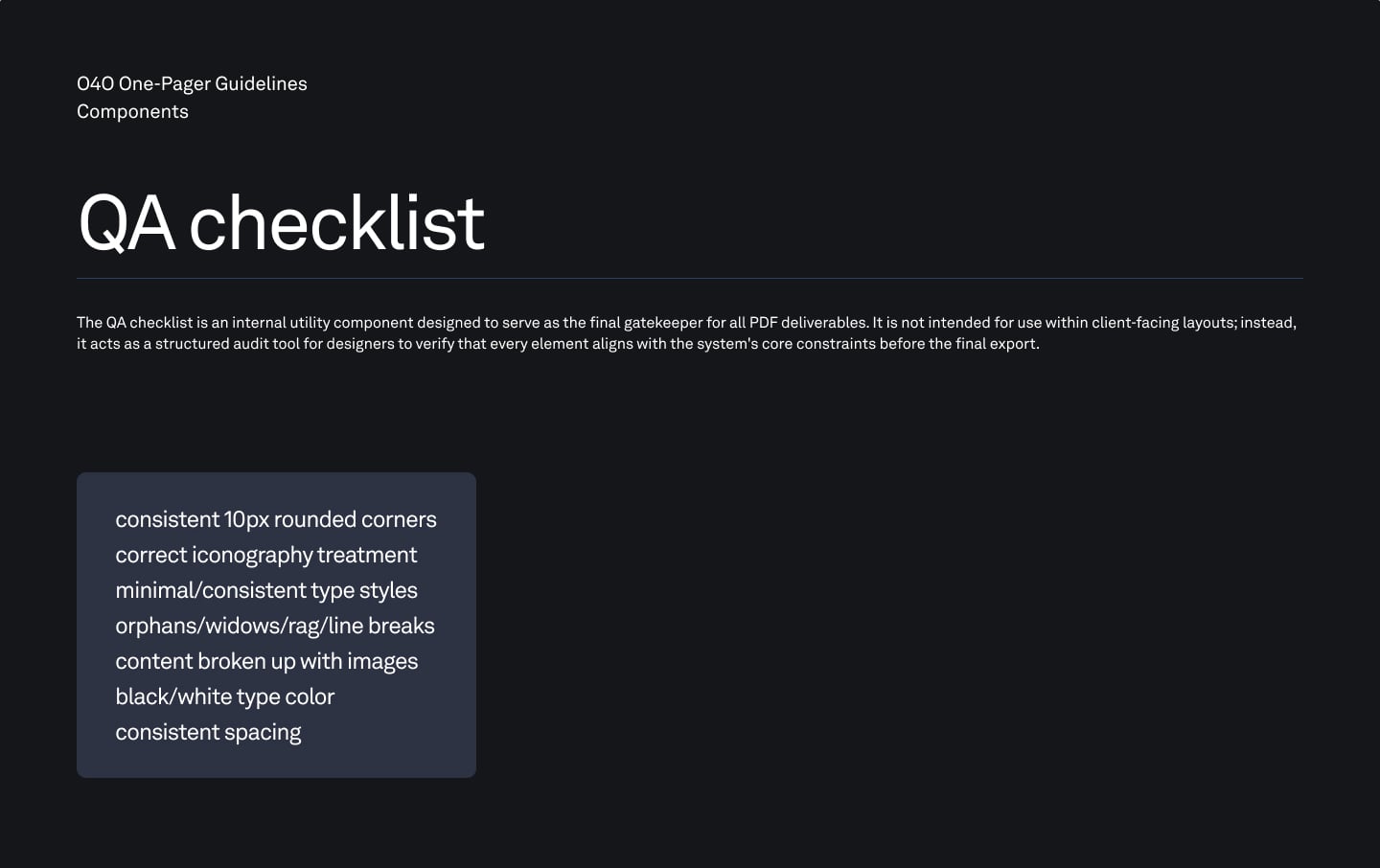
The work documented foundations, components, usage patterns, image behavior, product UI treatment, and final QA. The system captured not only how the work should look, but how another designer could make the same kinds of decisions.
System in action
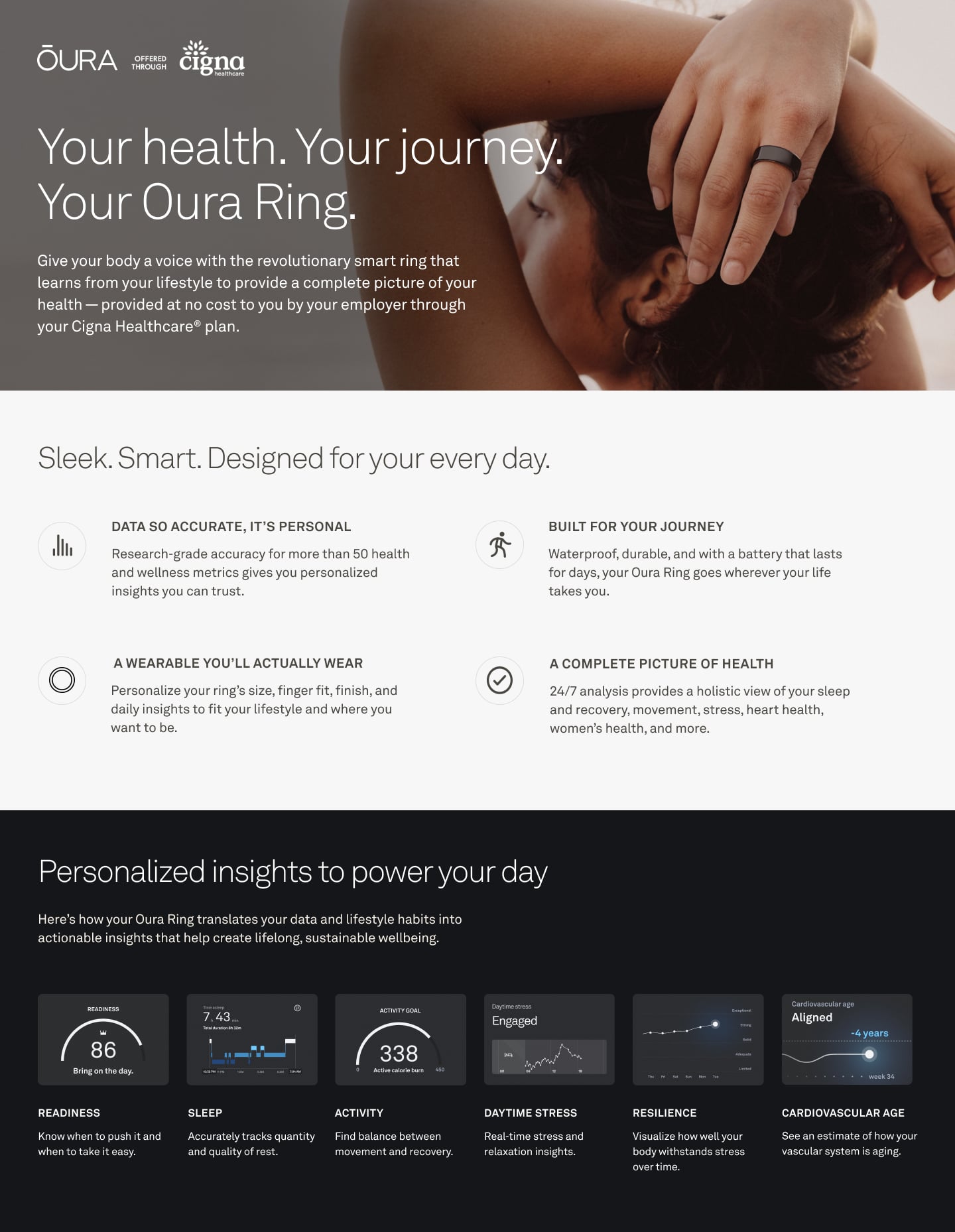
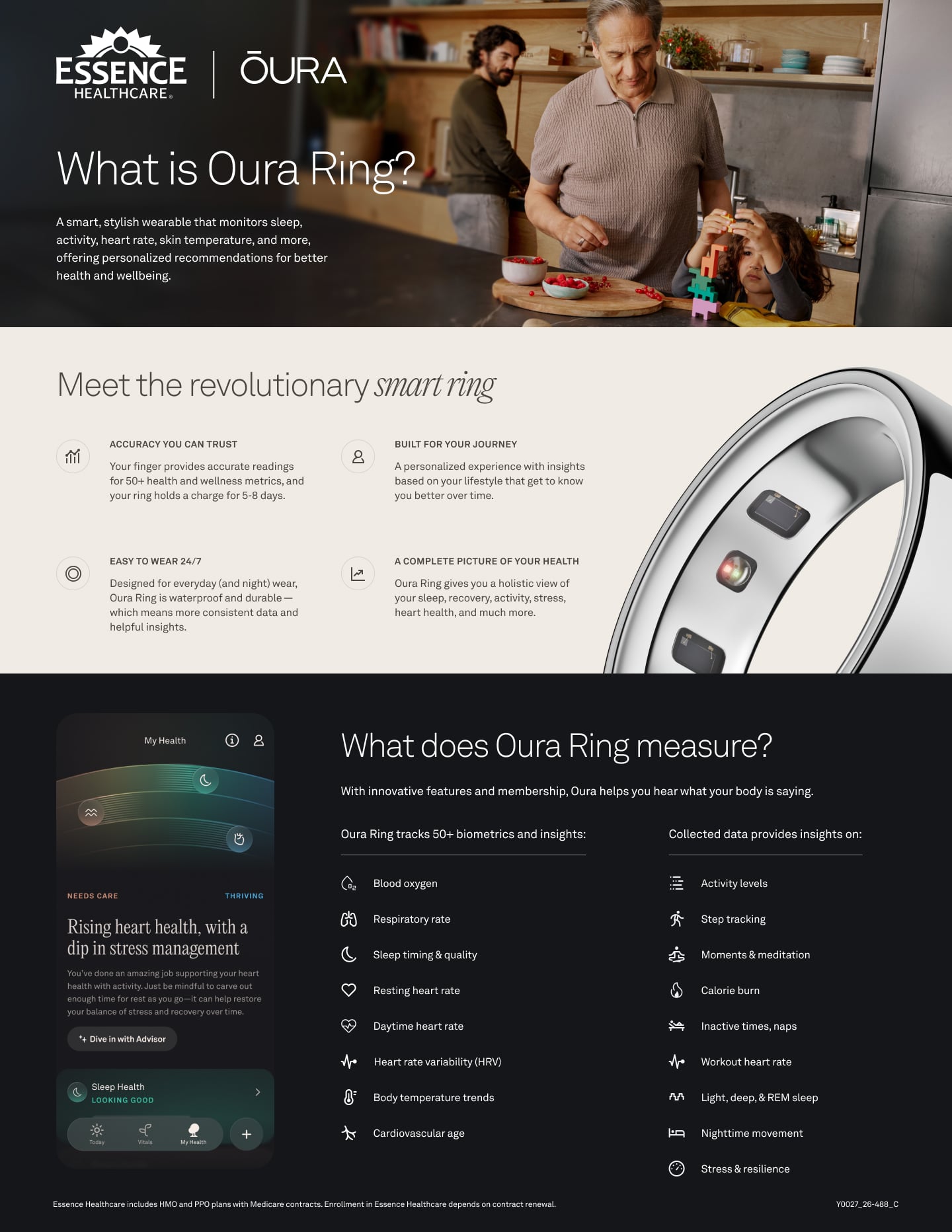
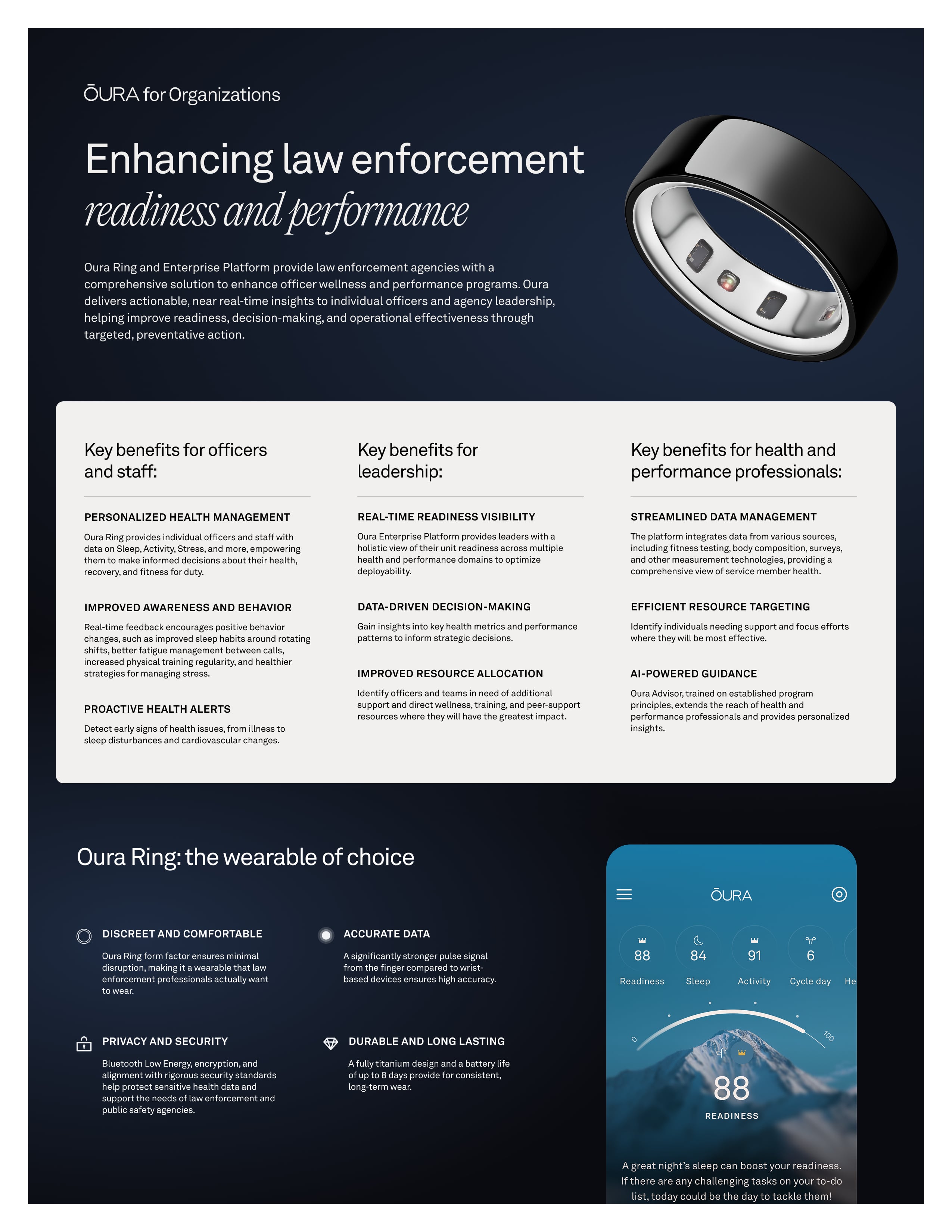
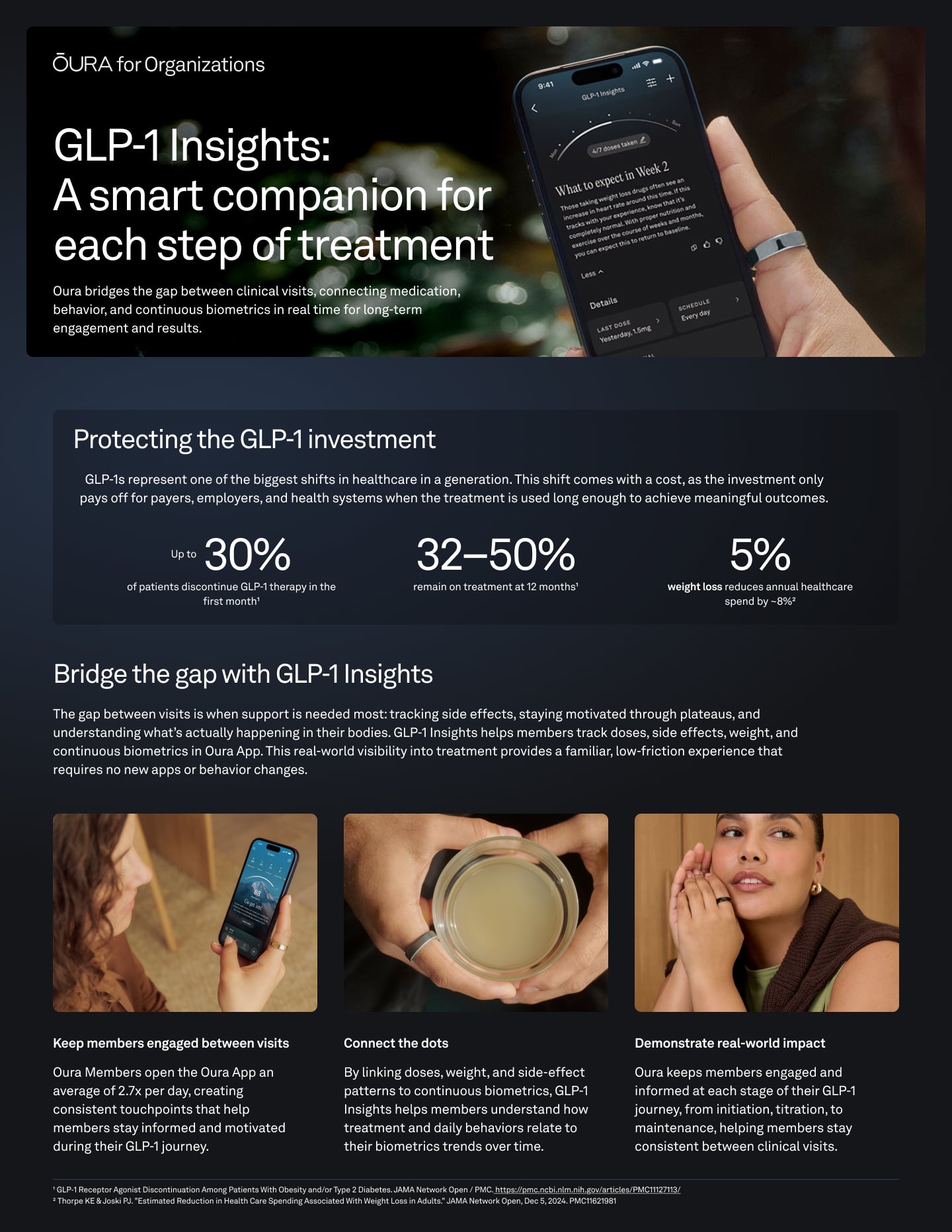
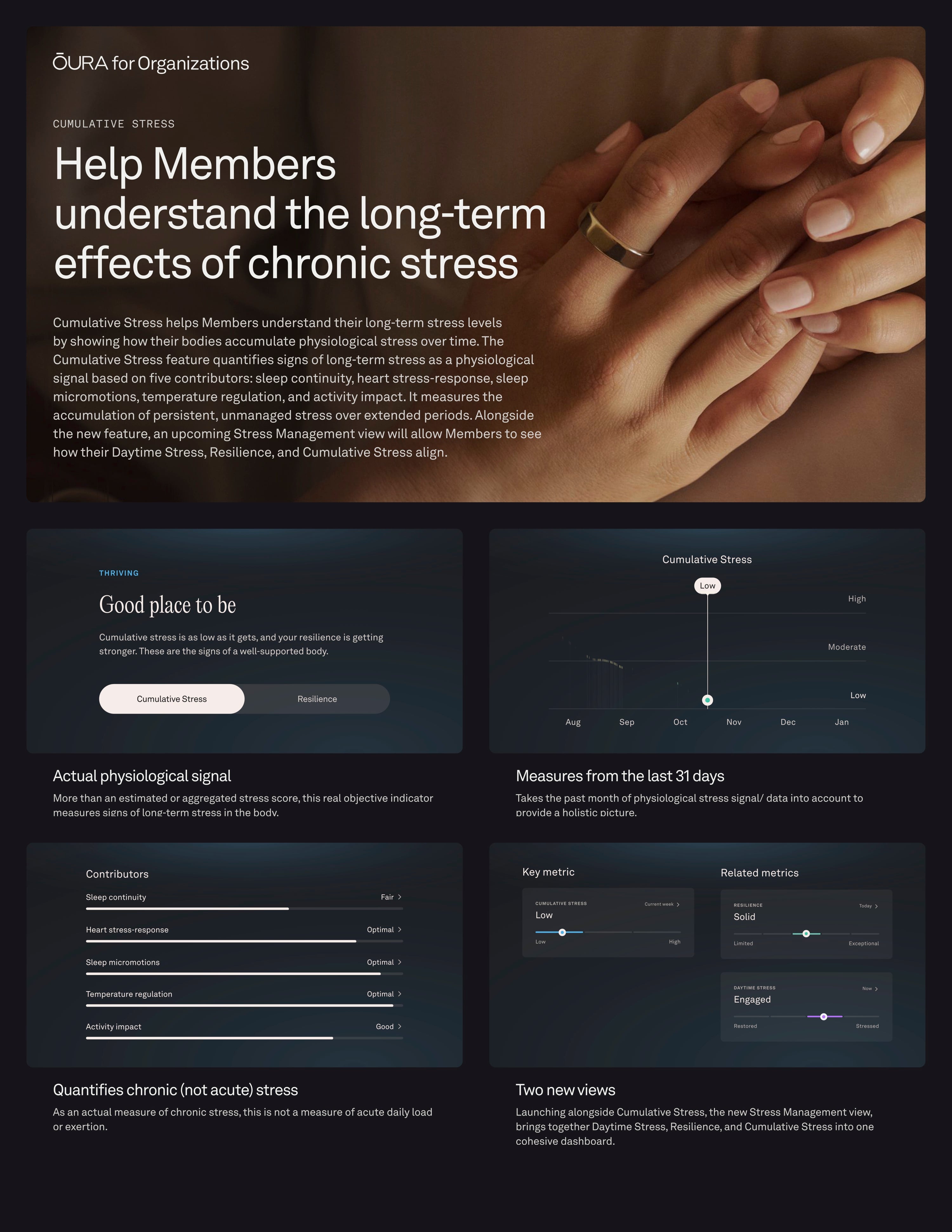
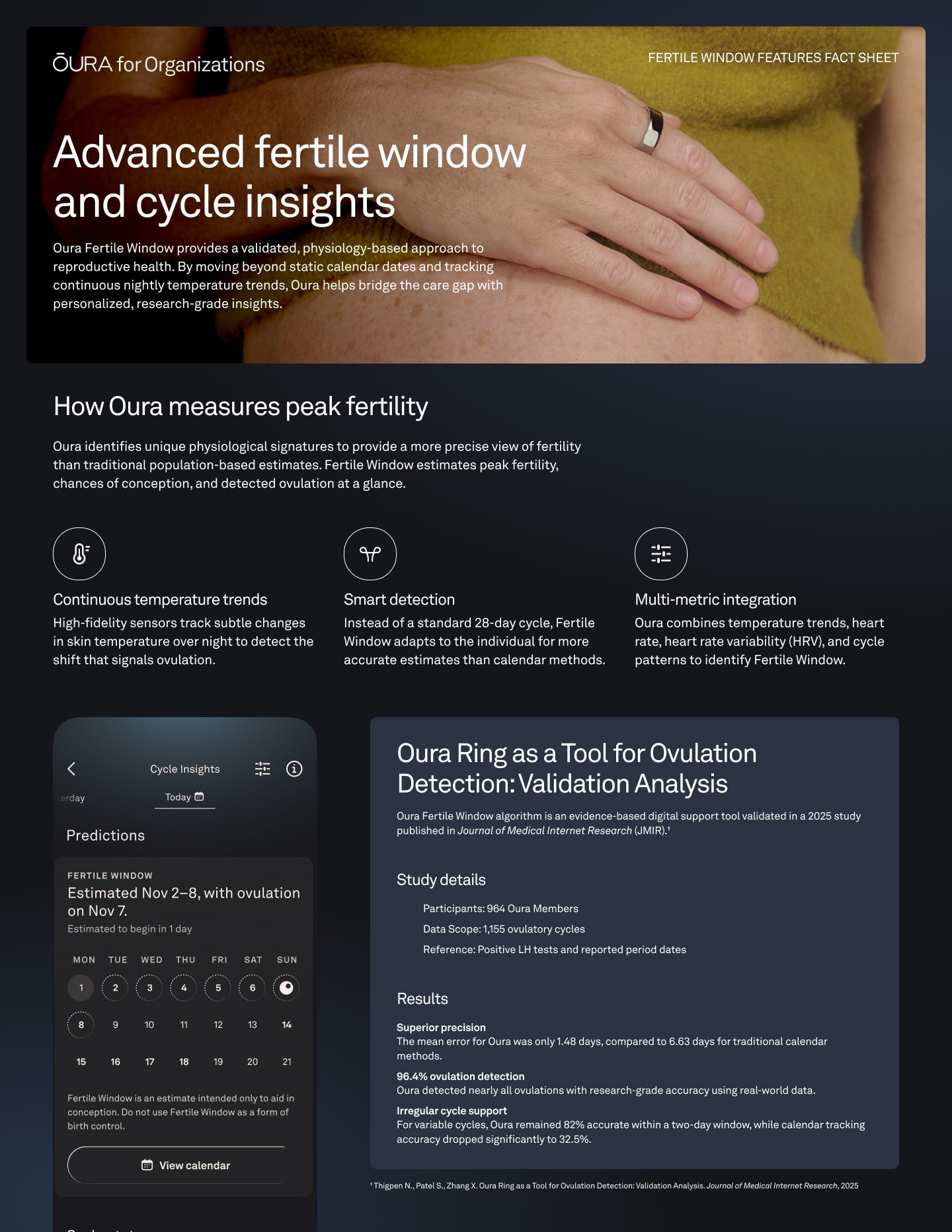
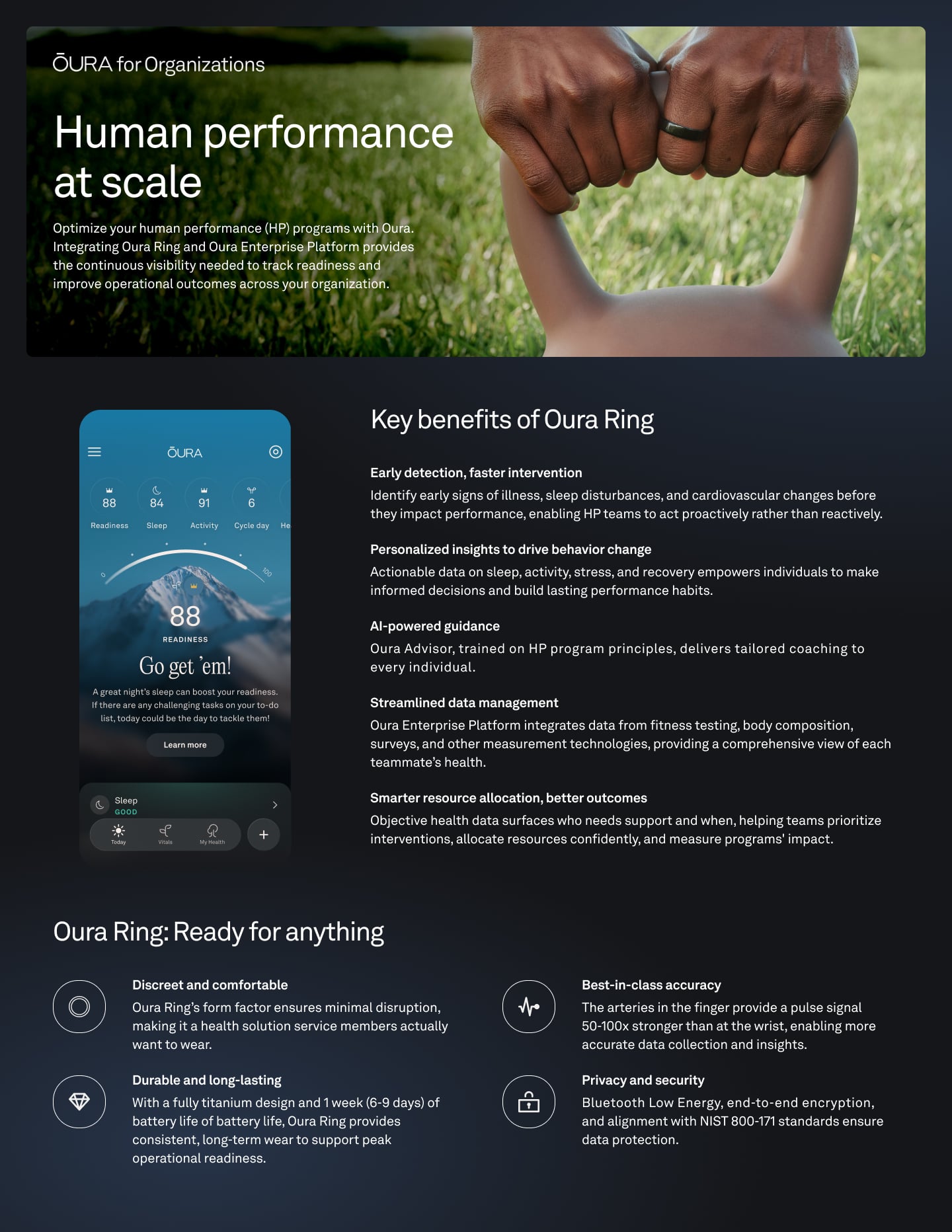
One visual language. Different reasons to believe.
The system created recognition without demanding sameness.
The goal was never sameness. Technical, clinical, behavioral, product-led, and operational stories needed different emphasis while still feeling unmistakably connected.
Extending the B2B story
The same enterprise translation also had to work digitally.
In parallel, I helped update Oura’s B2B website content and build three new web experiences. The web work demonstrates the breadth of the assignment rather than implying that the sales-enablement system itself governed the website.

Athlete Performance
One of three B2B web experiences. The device treatment keeps the web work visually distinct from the sales-enable system while showing the breadth of the assignment.
Scale + impact
The team could move faster without diluting the brand.
Shared foundations reduced repeated decision-making, while AI-assisted workflows reduced repetitive production work. Two designers could create across very different enterprise stories without requiring the original designer to make every decision—or sacrificing Oura’s premium expression.